
Essential Kitchen Gadgets Every Home Cook Needs in 2025
Discover the must-have kitchen gadgets for every home cook in 2025. Elevate your culinary skills and simplify meal prep ...
This cement remover removes stubborn cement residue from, among others, porous and non-porous ceramic tiles and flagstones Also suitable for non-calciferous natural-stone types, such as Norwegian slate, granite and quartzite. Strengthens grout Features Specifications HG cement ...This cement remover removes stubborn cement residue from, among others, porous and non-porous ceramic tiles and flagstones Also suitable for non-calciferous natural-stone types, such as Norwegian slate, granite and quartzite. Strengthens grout Features Specifications HG cement, mortar & efflorescence remover (product 12) removes stubborn cement grout film and mortar residue from all types of porous and non-porous tiles and flagstones.
But also for non-calciferous natural-stone types, such as Norwegian slate, granite and quartzite. HG cement, mortar & efflorescence remover with its unique composition even strengthens grout This cement cleaner removes cement film and mortar residue from non-calciferous natural-stone types, such as Norwegian slate, granite and quartzite. What is so unique about this cement floor cleaner is that it dissolves the cement on the tile surface but not the cement in the grout.
The grout is even strengthened. How do you use HG cement, mortar & efflorescence remover? Follow the steps below for correct use of HG cement, mortar & efflorescence remover. Dissolve half a litre HG cement, mortar & efflorescence remover in a bucket with 5 litres of water.
For more stubborn cement and mortar, a stronger solution can be made with 1 litre of cement remover and 4 litres of water. First clean the surface that requires treatment with clean water. Then apply the solution liberally with a floor cloth or mop.
Scrub the surface well with a stiff broom or scrubbing brush. Leave it to work for a few minutes and scrub well once more. Remove the solution from the surface with a floor cloth or mop, regularly rinsing and wringing it out in water.
Then mop the floor 2-3 more times with clean water. Do not use on calciferous natural stone such as marble, travertine, bluestone and various types of slate and concrete tiles/floors.
Discover more insights and guides in this category
Discover the must-have kitchen gadgets for every home cook in 2025. Elevate your culinary skills and simplify meal prep ...

Discover the best noise-cancelling headphones that enhance focus and comfort for work and travel. Elevate your listening...
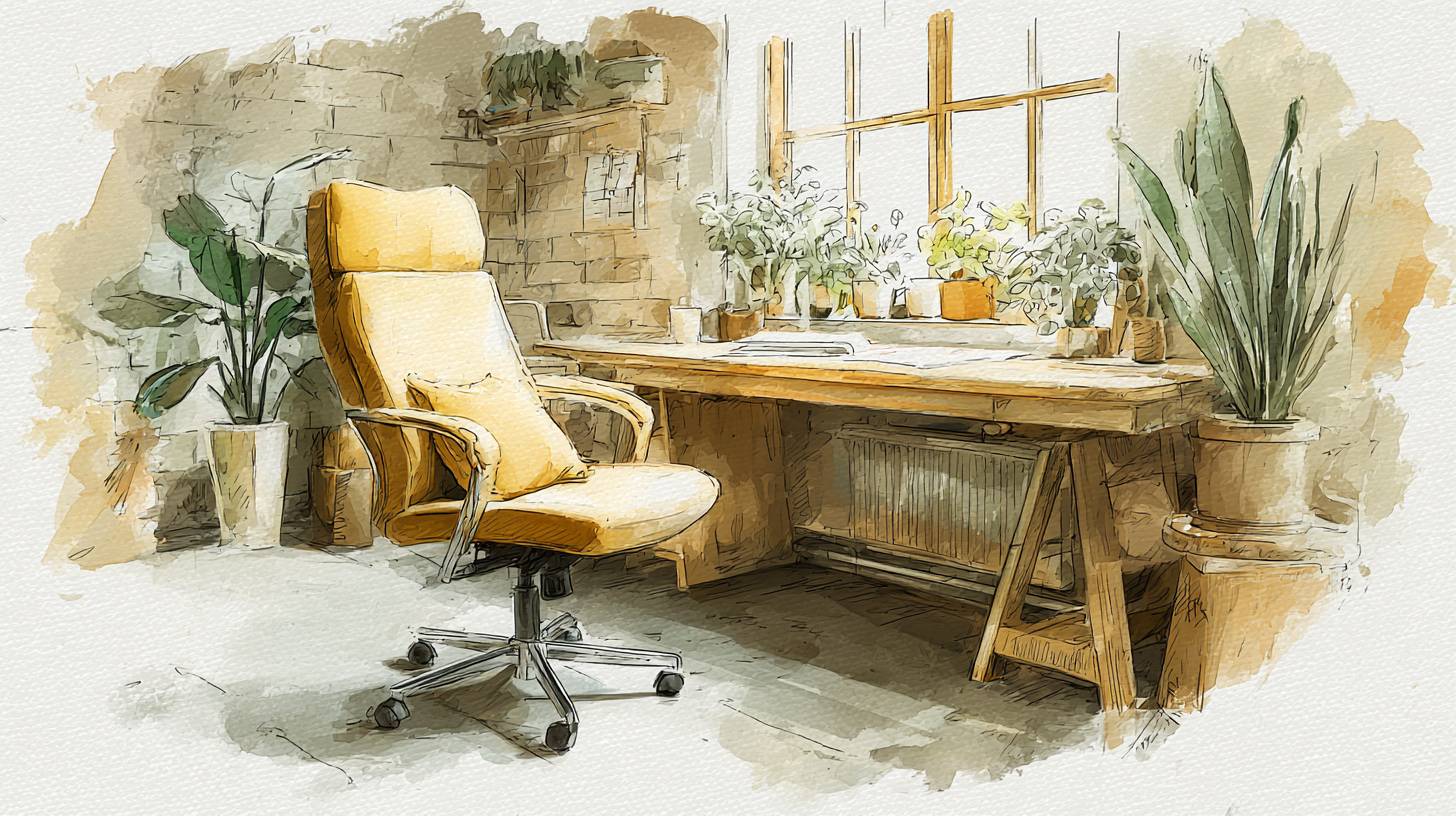
Discover the top ergonomic office chairs for ultimate comfort during long hours at your desk. Boost your productivity an...